Read Zero Knowledge As I Write It
Zero Knowledge, the crypto-thriller I'm co-writing with my AI, now has a home at zeroknowledge.ink. Six chapters are live, you can mark up any sentence, and the whole thing is being built in the open.
Zero Knowledge, the crypto-thriller I'm co-writing with my AI, now has a home at zeroknowledge.ink. Six chapters are live, you can mark up any sentence, and the whole thing is being built in the open.
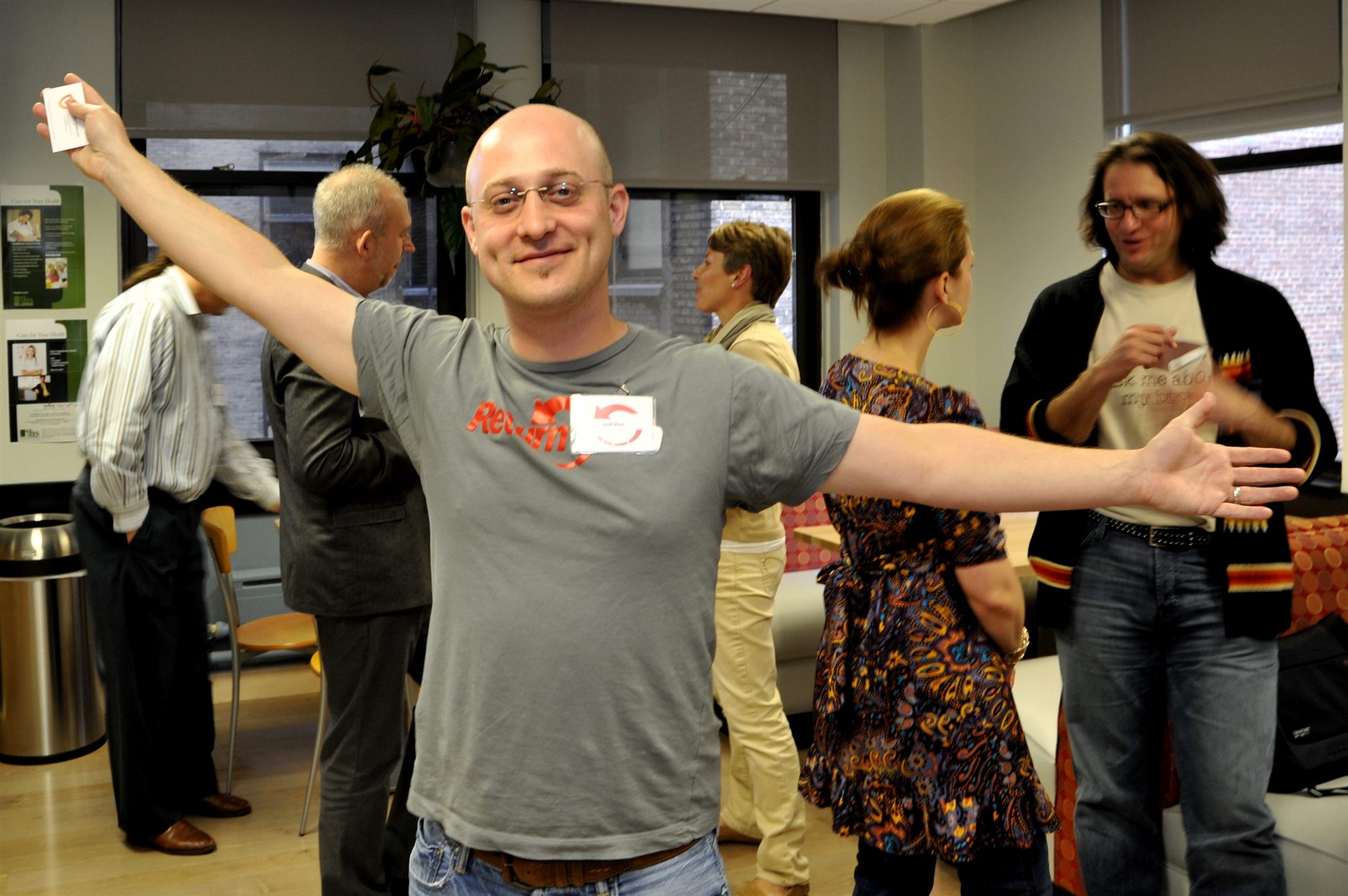
Josh Baer, the founder and CEO of Capital Factory and the godfather of Austin's startup scene, died last night in a plane crash. He was my friend and I'm sad today.
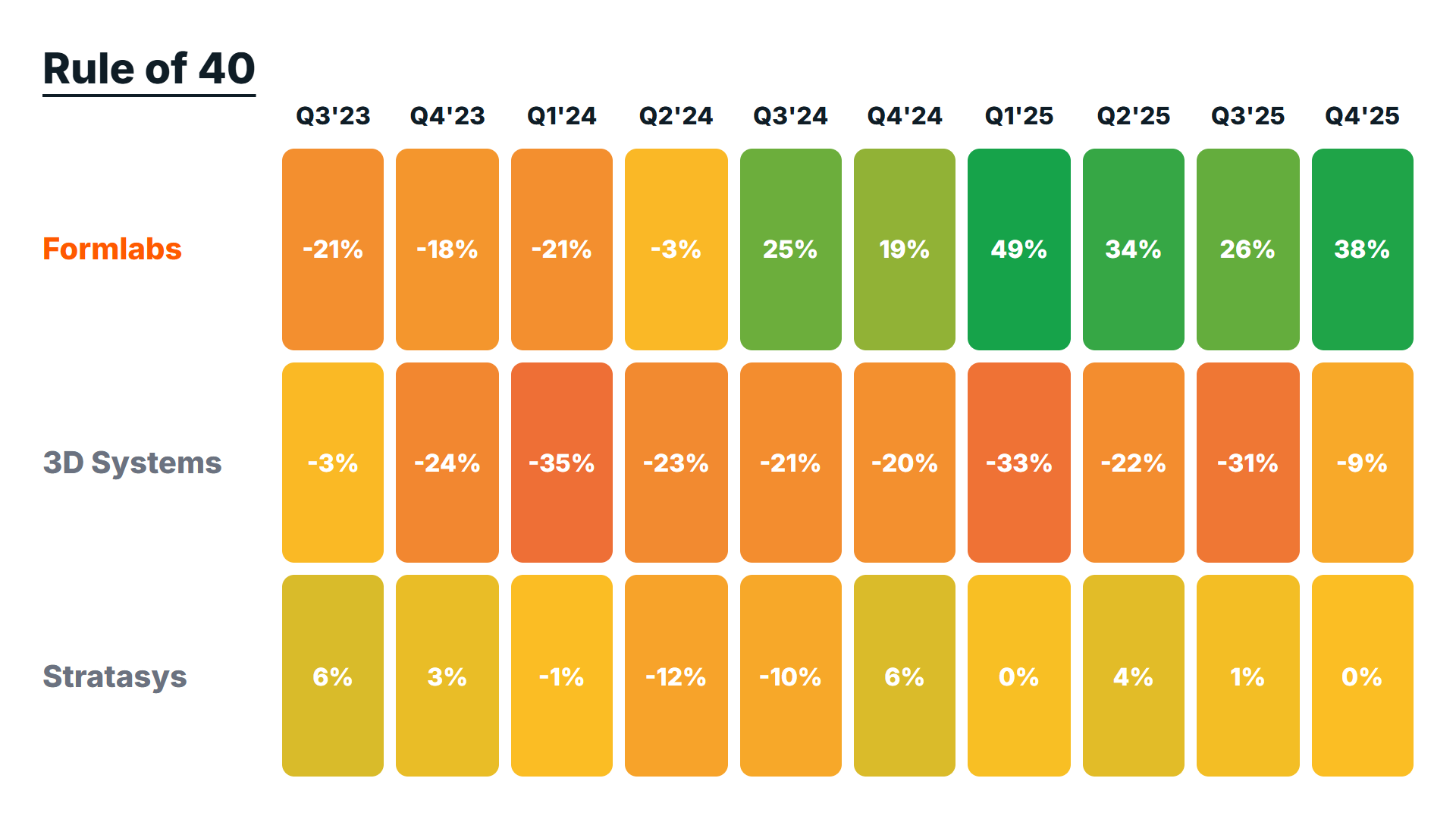
I've written about the Rule of 40 since 2015, and it's now gospel in SaaS. Does it mean anything for a company that makes physical things? Yes - but you have to read the curve, not the snapshot.
I’ve written or co-written nine non-fiction books. I have no clue if I can write a novel. Non-fiction is “I know a thing, I researched a thing, and here’s the thing.” You don’t have to make anyone care about people who don’t exist. The characters are real and the lessons are the point. Fiction is something totally different. Nobody owes your made-up CTO their attention. As a novelist, you have to earn it on every page.
I’m good friends with Phil Weiser and Michael Bennet. I think the world of both of them. So let me start with the easy part. Colorado is going to be in good hands regardless of who wins the Democratic primary on June 30th. Whoever wins is highly likely to be our next governor, and they’ll be a smart, decent, and hardworking person in the job. I’ve spent real time with both Phil and Michael over many years. I’d be glad to have either one as governor of Colorado.
Eric von Hippel was my doctoral advisor at MIT. I didn’t finish the Ph.D. - I dropped out - but Eric stuck with me through all of it, more as a mentor than an academic. Around 1978, Eric said something that was radical at the time. “Innovation comes from users, not manufacturers.” Today that sounds obvious. You read it and think “yeah, uh huh.” In 1978 it was heresy. The entire model of how products got made assumed the manufacturer was the source of the idea and the user was the recipient. Eric spent the next 48 years building the academic foundation underneath the opposite claim, along with a worldwide research community to go with it.

A summer weekend in Aspen - close friends, a gloriously bad movie, running again, and Phin Argofy quietly going autonomous in the work cave.
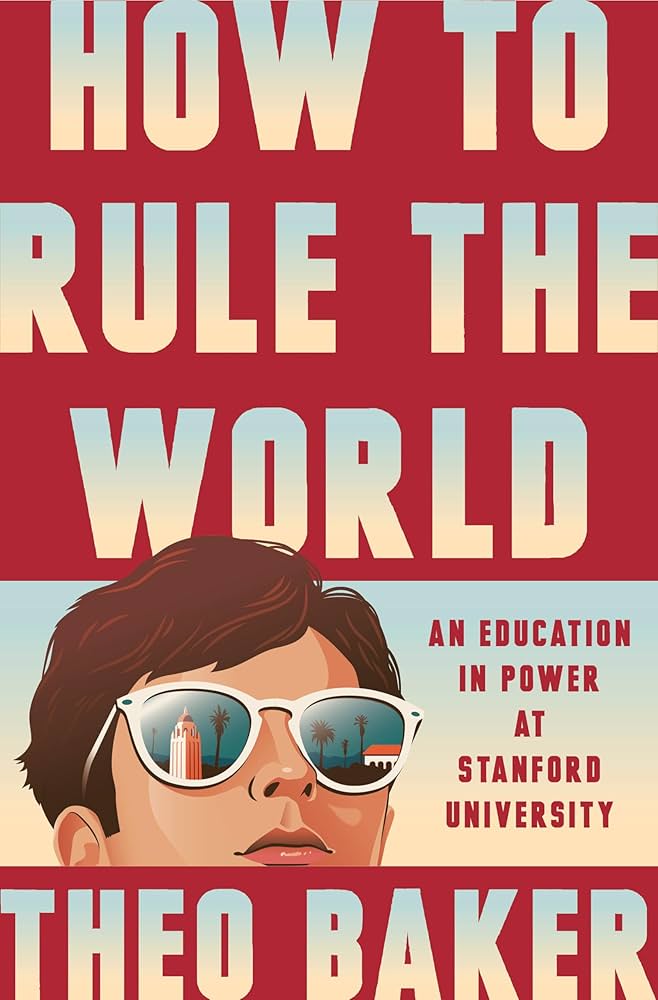
I read Theo Baker's How to Rule the World in the last 24 hours. It works on a lot of levels at once - memoir, investigation, a study in how power dismisses inconvenient reporting, and a master class in what not to do at the board level.
Founding a startup is a cognitive sport. Most founders treat themselves worse than their company treats its infrastructure. Just build things as fast as possible. Don’t worry about what’s going to break until it falls apart. There’s no time. The phrase “tech debt” is a cliché because it is everywhere. “Founder physiological debt” is the same. I’ve been watching the gap between founders and the help they need for over thirty years. The data underneath it is grim. Founders are 50% more likely to report a mental health condition than the rest of the population. 72% say the job has affected their mental health. Only 23% see anyone about it.
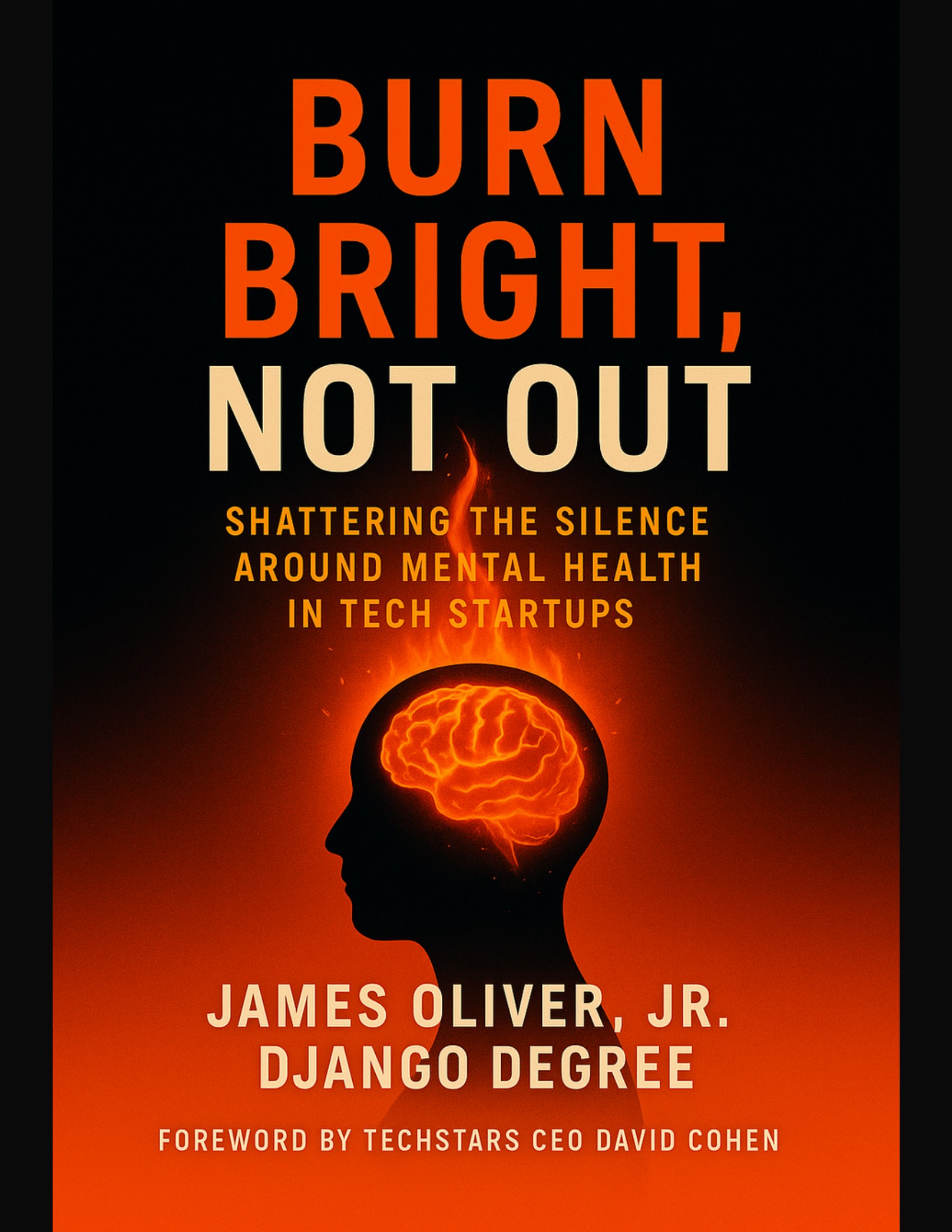
For the month of May, I'm matching donations to the Kabila Founder Mental Health Fund. Plus a free chapter from a new book on founder mental health in tech startups.